**May be triggering to some**
I’m in a pretty crappy headspace right now.
It’s one of those weeks where I find myself tumbling further and further down a very darkened rabbit hole and can’t seem to find my way out.
I’ve spent the last few days questioning whether I should even bother, asking myself if life is worth it, wondering why I should even try, telling myself I can’t do this anymore and convincing myself that I should just give up.
May is Mental Health Awareness Month.
1 in 4 people suffer from a mental illness. So I know I am not alone.
It’s all around us and it’s more than likely that you know someone who may be struggling with one or more mental health challenges at this very moment.
And it’s also sadly and quite plausible that many more are doing so in silence.
But we can’t ignore our mental health and we sure as hell can’t ignore mental illness either because no matter how hard you may try and hide from it, it will find you. It will catch up with you and at times it will make you question your self-worth, it will make you doubt yourself, it will tell you to stop trying and it could convince you to give up.
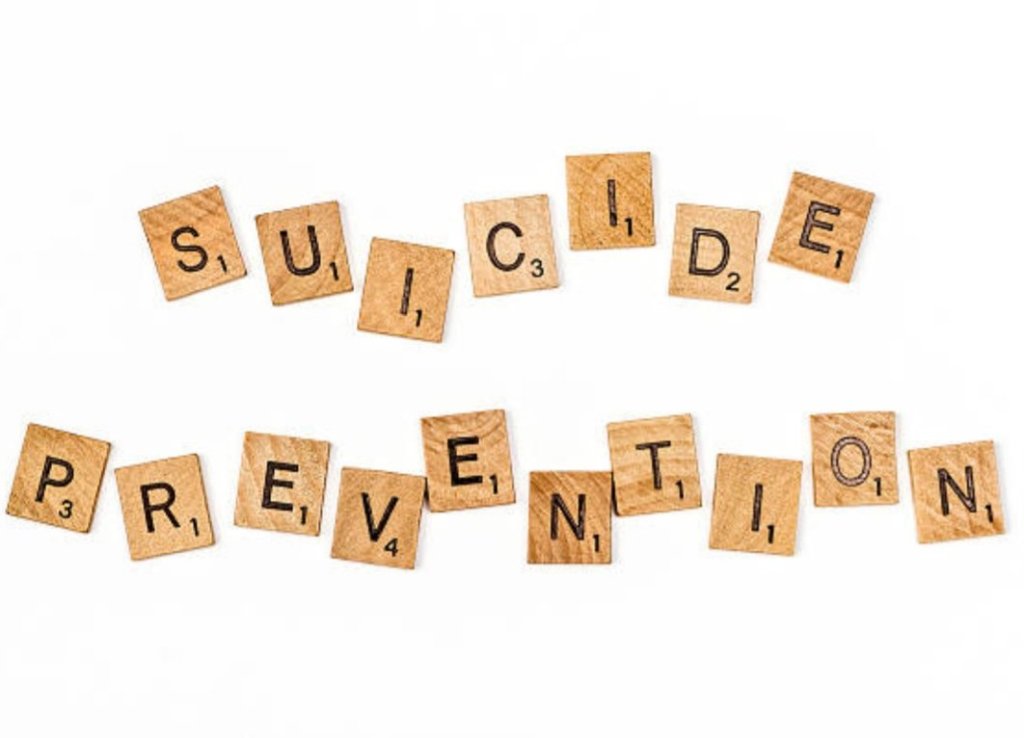
As a society that is right smack in the midst of the worst mental health crisis ever we need to understand what suicide prevention really looks like and most importantly that it is everybody’s responsibility to play a role in it.
As a society we need to understand that we all have a responsibility to take better care of each other because that is what suicide prevention looks like.
As a society we need to talk openly and honestly about mental health disorders and suicidality because that is what suicide prevention looks like.
As a society we need more public awareness and education in order to destigmatize mental illness and suicidal behaviours so that those who may be most at risk can feel less alone, less fearful or less ashamed because that is what suicide prevention looks like.
As a society we need to accept each other’s differences because that is what suicide prevention looks like.
As a society we need to be able to openly and honestly express our feelings because that is what suicide prevention looks like.
As a society we need to help someone who may be in crisis and then follow up with additional support because that is what suicide prevention looks like.
As a society we need to make sure that we all live in an environment that is nurturing and safe because that is what suicide prevention looks like.
As a society we need to have proper funding in place to allow for everyone to access mental health supports and services because that is what suicide prevention looks like.
As a society we need to be there for a loved one, a friend, a neighbor or a coworker who may be experiencing the loss of their job, the loss of a relationship or loved one or some other major, life altering change in their lives because that is what suicide prevention looks like.
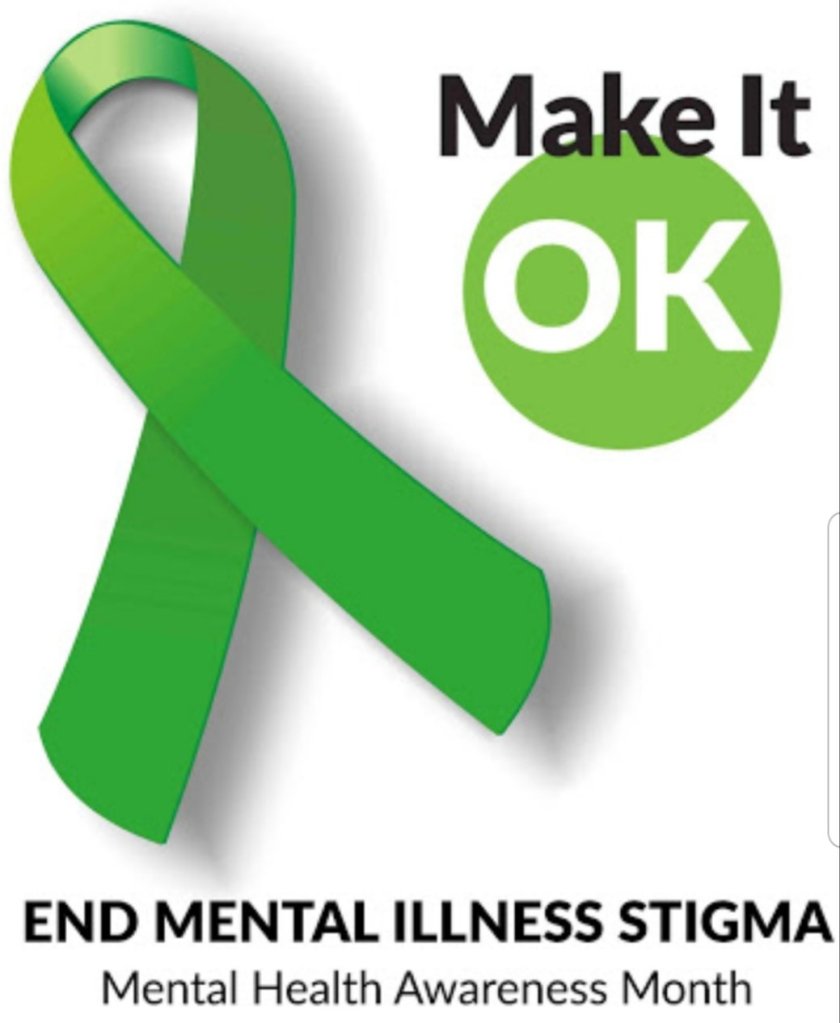
Suicide prevention means knowing that it’s okay to not be okay.
Knowing that it’s okay to ask for help.
And together as a society we need to make it OK.
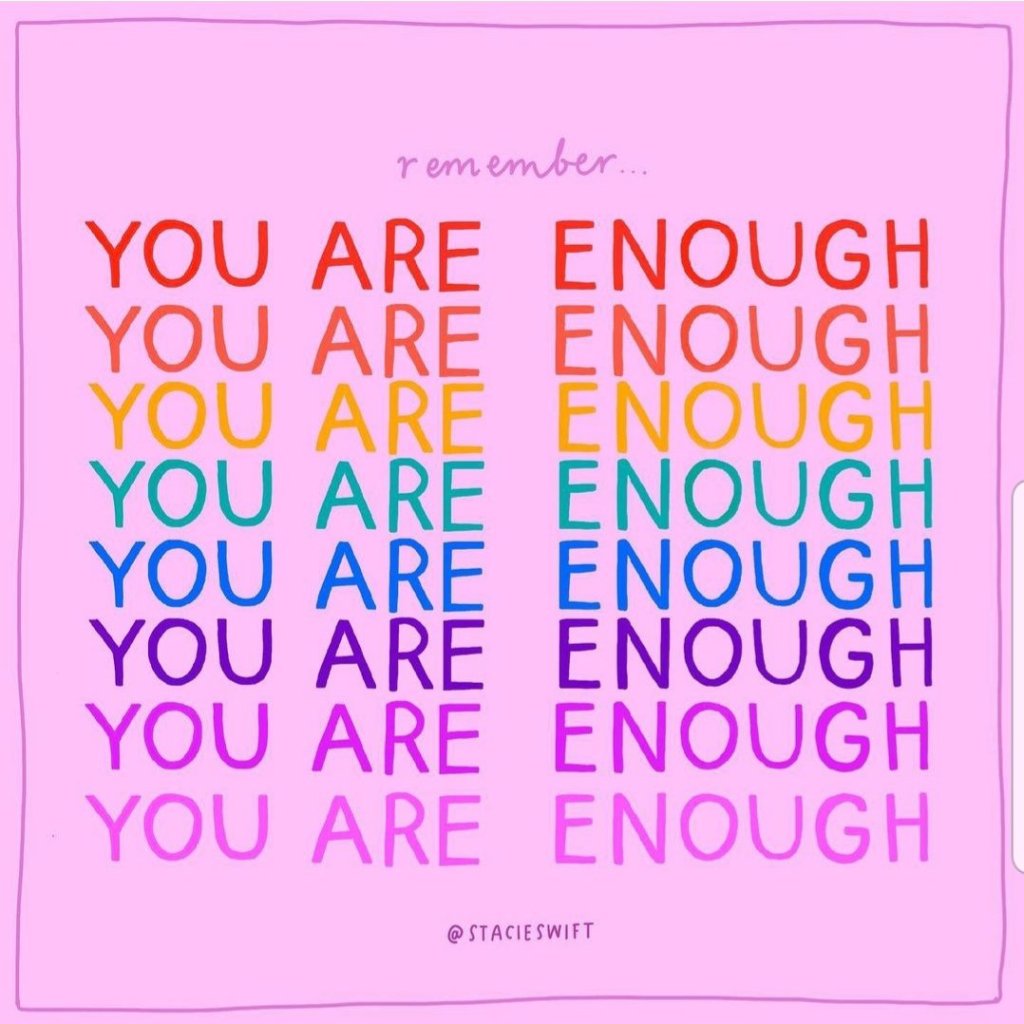
What does suicide prevention look like to you?
***If you or someone you know is in crisis please call Canada Suicide Prevention Service: 1-833-456-4566 or go to your nearest hospital.
#suicideprevention #suicideawareness #mentalhealthawarenessmonth #yourmentalhealthmatters #youmatter #youareenough #youarenotalone #endthestigmatogether #mentalhealth #mentalwellness #advocate #mentalillness #itsoktonotbeok #itsoktoaskforhelp
 YouAreEnough
You must be logged in to post a comment.