
Thinking “Happy Socks” Can’t Cure MY Depression

THINKING “HAPPY SOCKS” CAN’T CURE MY DEPRESSION

For anyone who follows me on social media you probably know by now that over the past week I have been selling “happy socks” and I have sold A LOT of them.  There are so many happy feet running, jogging and strutting their stuff around the city as we speak, more than I could have ever imagined; like hundreds of them and let me start by saying that I truly am grateful that I was given the opportunity to do so.  Who would have ever thought that socks could be all the rage or that people would be messaging me at all hours of the night for socks or that they would be lining up outside my front door just to get a deal on socks.

But you see these are not just any ordinary socks, these are also a stylish and sometimes bold fashion statement which will add a sparkle of self-expression to any outfit.  They can be worn for just about every occasion; just ask our Prime Minister who can be seen sporting them around the world at every public event he attends (I may have just lost a lot of sales by pointing that out!).  I bet he even owns a pair with Cannabis leaves on them in celebration of this week’s legalization of marijuana. Well either way, whatever your style is, I’m sure there is a pair (or 10) of happy socks that will fit your personality.

My husband has also hopped on the happy socks bandwagon and can’t get enough of them.  He excitedly chooses his outfits each morning depending on which pair of socks he feels like wearing that day.  That’s what happy socks do, they make people feel happy and it makes me feel happy knowing that I have helped make someone else feel happy.

The problem is though it can’t cure my depression or anxiety and to be perfectly honest, the entire process of selling happy socks (along with all of the other products I have sold over the past 4 years) is extremely overwhelming for me.  I have experienced a heightened sense of panic and anxiety this week which has boiled over into other parts of my life as well only leading to injurious feelings of depression.

I’m pretty sure some people reading this may wonder what could possibly cause me to feel the way I am from selling socks but many individuals may not realize what else goes into the preparation and delivery of them, the set-up of displays and the ongoing need to restock, the having to answer 100’s of messages (not to mention the countless dumbass questions I get from total strangers), the frequent amount of people coming and going from my home (which in itself has caused several on the spot panic attacks) and the mess encompassing my dining room with boxes upon boxes of socks everywhere.

For many individuals looking on from the outside in may feel this is a great opportunity for me, it keeps me busy and earning a bit of pocket money which should make me happy and if I would only think happy thoughts, if I would only feel happy emotions, if I would only just choose to be happy then I will feel better.  What many people don’t quite understand about depression is that it is not a choice. I did not choose to become depressed just like I would not choose to have Cancer and thinking that if I just chose to feel happy or if I just chose to think happy thoughts that I could heal my depression which can be very detrimental to the healing process and lets face it, if it was truly that easy there would be no such thing as depression.

I make choices every day in regards to my Mental Wellness.  I choose to create healthy boundaries which is not always easy, I choose to communicate my thoughts and feelings even though it may be uncomfortable and embarrassing and I choose “me” even when the guilt is too overwhelming.   So even if I can’t just choose happiness I can choose to continue to create those healthy boundaries, I can choose to continue to communicate my most intimate thoughts and feelings and I can also choose “me” which combined may one day allow me to “knock the socks” right off of this cruel and ferocious disease.


University Students Taking A Mental Health “Break”

UNIVERSITY STUDENTS TAKING A MENTAL HEALTH “BREAK”

This week many University students in Ontario have been taking a break from the classroom and spending the week at home with their family, their friends and their textbooks.  Traditionally, Universities have always had a mid-term break in February/March which is also known as “Reading Week” or “Spring Break” (depending on where you live). It is intended for students to catch up and begin preparing for the demands associated with the latter part of the semester, but we also know that for so many young adults it’s also a much needed break from reality.

It’s no secret that matters surrounding the Mental Health crisis have been on the rise at an exponential rate and our young adults are especially vulnerable which is why many Ontario Universities (and beyond) have stepped up to the challenge.  Gradually over the last 5 or more years many Universities have taken note of this upsurge in Mental Health issues amongst their students and decided that instead of ignoring the problem they would embrace it by adding a “Fall Break” during first semester.

For many University students the adjustment to higher education combined with it possibly being their first time away from home can in itself be overwhelming for anyone, but whether it’s their first year of University or their fifth year more than a quarter of all students will experience a Mental Health crisis at some point during that time, and most often are depression and anxiety related.

Due to these alarming statistics, many of the Universities are now giving their students a brief, yet calculated hiatus from school in first semester as well they hope that it will help the kids stay mentally fit right through to the end of the term.  Not all of the Universities have embraced this concept as of now but more than half of the top Ontario schools have joined the cause, ranging from 2 to 5 days off sometime during the month of October and I can only hope that within the next few years more and more schools will continue to follow the trend.

As a parent of 3 teenagers/young adults and as a person who suffers with depression and anxiety I only see the benefits from this added Fall break because no matter what generation you look at, the truth is, it’s never been easy to be young.  People in their late teens to early 20’s are most at risk for Mental Health issues and suicide is quickly becoming the number one cause of death among teenagers & young adults today. Some students entering their first year of University nowadays are not even 18 years old yet when the Fall semester begins: how crazy is that?

Even though I said that no matter what generation we grew up in, its never been easy to be young, but I truly believe that the pressure our youth and young adults are facing today could be at an all-time high due to the hastily changing world around them.  Between academic demands, social pressures, parent’s expectations, the extremely ruthless post graduate programs and the highly competitive job market (and tell me how these kids will ever afford to purchase their own home one day), many University students feel they are unable to ever relax or unplug for fear they will fail to succeed in this very demanding and stressful world they roam.

So truly it’s no wonder why so many University students are succumbing to the pressures and responsibilities laid upon them by their friends, parents and society as a whole and no matter how they choose to spend their “break” let it be the “break” they need, the “break” they desire in order to take a deep breath, refocus and turn the page to the next chapter of that very heavy textbook they are carrying.

Social Anxiety: A Thanksgiving Weekend To Remember

SOCIAL ANXIETY: A THANKSGIVING WEEKEND TO REMEMBER

This past weekend was definitely a long one, both literally and figuratively. Not only was it actually a long weekend due to the Thanksgiving holiday (in Canada) but my social calendar was completely jam packed from dinner-time Friday night right through til dinner-time Monday night. The weekend was filled with celebration after celebration which included both family & friends. Sounds pretty magical doesn’t it? Well it would be for anyone not suffering from a social anxiety disorder.

Unless you struggle with a social anxiety disorder like I do I’m pretty certain you may not fully grasp the depths of my anguish and tribulation that come along with it and lets not forget how much effort it takes to get through. I have had some of these events from this past weekend on my calendar for weeks, if not months and if you think that helps, well unfortunately it doesn’t. It actually causes me more apprehension, more trepidation, more worry and more fear which gives me more time to anticipate, stress about and panic over.

The discomfort associated when struggling with such a condition goes far beyond just feeling awkward in social settings and like every other aspect of my mental illness, I just need you to know that I do not choose to feel this way as irrational as it may seem to many people and statistics show that social anxiety is now among one of the most common of all the mental disorders combined. Many people from time to time feel uncomfortable or nervous in social situations but when the stress of the situation goes above and beyond your normal comfort zone it can become very overwhelming.

There are many ways that having social anxiety can rear its ugly head and each individual’s situation may be different. For me it’s honestly just as simple as having to be around people (which can be extremely difficult to bypass, even as I continue to try and avoid going to many popular hotspots in and around my community), it’s having to engage in simple conversation, it’s having to enter a room filled with people whether I know them or not, it’s feeling like I don’t belong, it’s feeling like people are staring at me or judging me and it’s wishing that I could just blend in with the furniture.

I did survive this very long Thanksgiving weekend but not without experiencing every symptom associated with social anxiety at some point during the weekend. Many of the symptoms and emotions included severe heart palpitations (all day, every day), hesitation, nausea, headaches (which could have very well been due to the crappy, rainy weather or drinking alcohol which I avoided as much as possible for many reasons), shortness of breath (imagine you are drowning and trying to keep your head above the water as you intensely gasp for your next breath), irrational thoughts, crying and restlessness.

Having social anxiety can be just as frustrating and infuriating for your loved ones as it is for the individual itself who is suffering. My husband will firmly attest to this, especially on a weekend that he and my children were looking so forward to enjoying. I know it was not easy on him either this weekend (nor were the days preceding it; okay let’s be honest, nor have the last 4 years) having to continually shield me, protect me and accommodate my sudden outbursts and rollercoaster of emotions due to my social anxieties, most of which I tried to keep hidden behind closed doors, only adding more stress and pressure on him (I know you’re all thinking, he’s one lucky guy!).

Although this weekend was filled with many sudden outbursts and a rollercoaster of emotions and although I didn’t get to eat any turkey or pumpkin pie (actually I hate pumpkin pie so that’s okay), it was a thanksgiving weekend I will not soon forget. I was surrounded by genuine friendship, I was embraced by genuine hugs and I felt a genuine love and acceptance by so many and that is truly a lot to be thankful for.

*Please Read* The Stigma Is Killing Us *Please Read*

*PLEASE READ* THE STIGMA IS KILLING US *PLEASE READ*
*Sensitive Content*

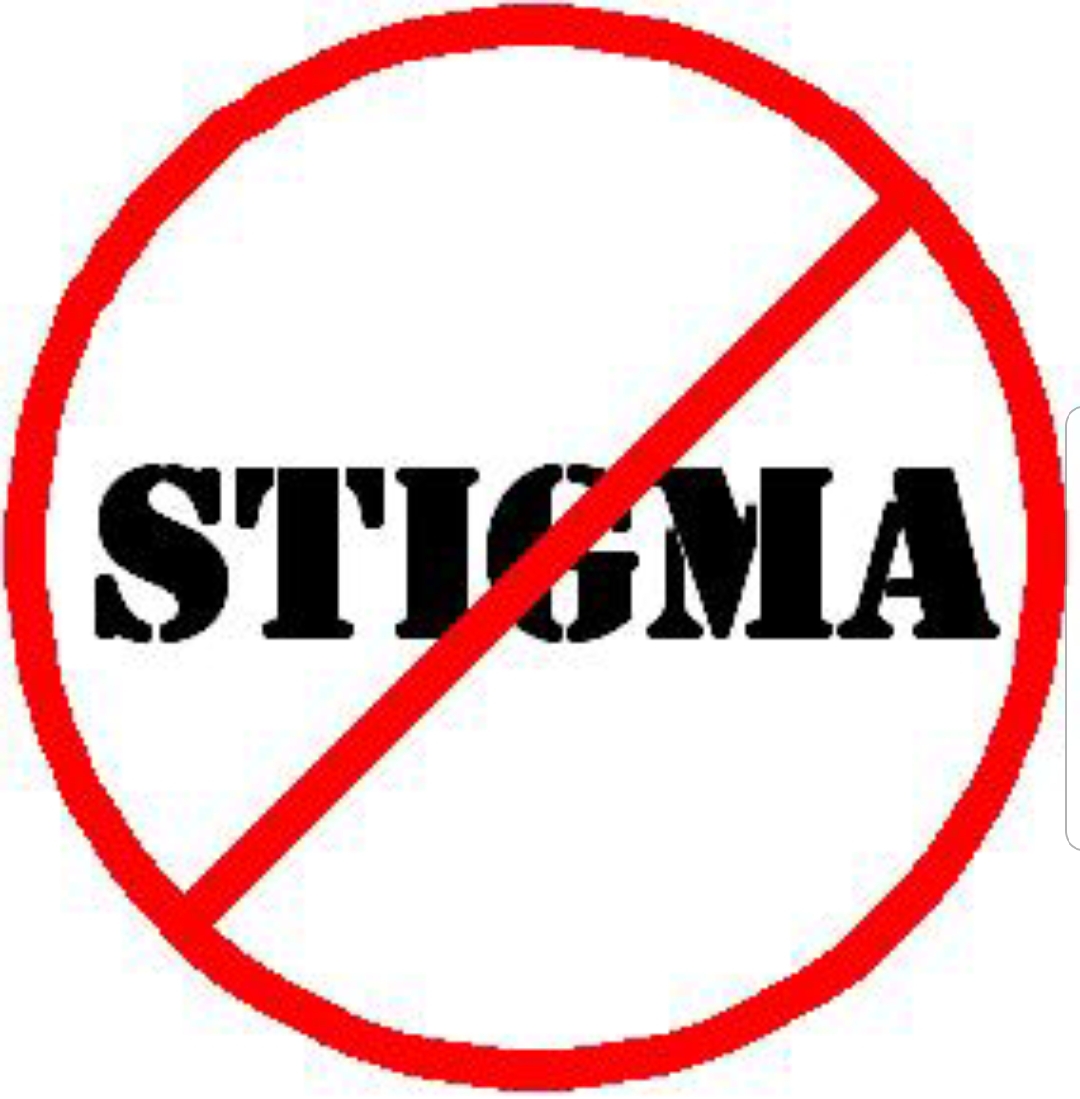
Okay, I’ll admit we have come a long way in the last 10 years pertaining to the stigma surrounding Mental Illness but it’s not nearly enough and there has been way too much proof of that in recent weeks and months. I’m pretty sure that anyone who has ever suffered with a Mental Illness (both past and present day) has placed blame upon themselves for getting sick (myself included) because of the ignorance and irresponsibility of others. I’m also pretty sure that those same people have dealt with name calling and even been told that if they just try harder it would all go away (myself included).

One thing I do know for sure is that by having to endure these misconceptions brought about by society will lead many individuals to feeling ashamed and embarrassed for something that is not in their control (myself included), not to mention feeling like a burden to their loved ones (myself included) and therefore many choose to just suffer in silence instead.

According to the Mayo Clinic a “stigma is when someone views you in a negative way because you have a distinguishing characteristic or personal trait that’s thought to be, or actually is a disadvantage.” These negative stereotypes couldn’t be a more accurate definition of many people’s harmful perceptions and beliefs toward individuals living with a mental illness and guess what; we aren’t all deranged, vicious threats to society as the stigma has also empowered many to believe.

A Mental Illness stigma can lead to all sorts of discrimination, sometimes in an indirect way, but many times it is directed right at the individual, but either way, it is very damaging and can lead to worsening symptoms. Often when the stigma is placed upon an individual suffering with a Mental Illness they feel an unwillingness to seek proper treatment for fear of being judged or excluded especially when there is a strong lack of understanding from family and friends.

Although I have become a strong voice in the fight to end the stigma surrounding Mental Illness, I still live with the warped perception brought upon by the ignorance of many people in society. It often leads me to feel ashamed, embarrassed and like a complete failure even as I advocate for change. And even though I feel these emotions I have not allowed it to stop me from continuing to advocate for change by speaking my reality, by allowing you into my most intimate thoughts and by educating others through my blogs and social media platforms.

What has kept me fighting is simply the fact that I now know that I have actually made a difference in so many lives, I have actually changed people’s lives, I have actually changed people’s perceptions surrounding Mental Illness and I have actually been shown so much gratitude and kindness from lives I have touched. Many of these individuals were too scared to ask for help before delving into my life and learning that it’s okay to not be okay and after speaking wholeheartedly with me have actually taken that first step toward helping themselves or a loved one.

I started off this article by telling you that although we have made great strides toward ending the Mental Illness stigma there is still a very long way to go. Last week I spoke of not one but two suicides which occurred right in my very own community and it was heartbreaking. What was even more heartbreaking was hearing that the system failed them, but the truth is, when someone who had been suffering in silence takes their own life, it is not the “system’s” fault, nor is it their loved one’s fault, the truth is it’s no one’s fault but the F*#@ING STIGMA. So who’s with me? Who’s ready for the greatest showdown ever? Who’s ready to stop the stigma from killing us?

It Takes A Village

IT TAKES A VILLAGE
*Sensitive Content*

Whenever I hear of someone dying by suicide I am quickly hit with a range of emotions that are very difficult to talk about. I have spoken many times about my emotions surrounding the death of a celebrity by suicide and how it pertains to my mental health, but when it takes place right in my own community, well that’s a whole other story which is exactly what happened this past week, twice.

For the majority of my life I have lived in a community that is particularly Jewish and it is also where I knew I wanted to raise my children so that they too would feel the same connection and familiarity as I always had. I also felt that in doing so my kids would feel a sense of belonging, a sense of support and a sense of comfort which I truly believe they do. While at the same time still ensuring that they know there is a whole other world outside of their community and that they learn from a young age the importance of being inclusive, being tolerant and being compassionate towards others.

When someone passes away it is always sad whether or not you know the person intimately or you hear about it through your community as it probably will have a great impact on many people you know. Either way it is difficult sometimes to know just what to say or how to react to their pain and sadness. Now imagine for a moment how you may feel when you learn that their loved one’s death was by suicide and the stigma that follows such a tragic and sudden death.

Their loved ones are not only left with the ‘normal’ pain and sadness related to their grief and loss but they are more than likely also facing a whole other range of emotions too. They are probably undergoing feelings of anger, guilt, shock & confusion as well as feelings of shame, judgment and alienation because of the stigma attached to suicide by society. If their loved one had died from a terminal illness, a tragic accident or even old age, they would not be left with a shadow cast upon their grieving process due to that same stigma.

They say that it takes a village to raise a child which to me is an analogy signifying the true importance of community. It reassures us that no matter what, we will always feel a sense of belonging, a sense of support and a sense of comfort. And when someone is grieving the loss of a loved one by suicide just knowing that they have an entire community assuring them that they do belong, that they are supported and that you are there to comfort them is the perfect way to help take the stigma out of the equation altogether.

But boy do I wish that it was that simple; that I could just snap my fingers and the stigma surrounding mental illness and suicide would be gone forever. To know that I wasn’t being judged or alienated anymore for my illness or that a loved one left behind after a suicide, who is filled with great pain and sadness, wouldn’t have to live with the added emotions of shame and guilt often brought about by society.

I am surrounded by a great community and so is my family, it’s that same great community I have lived in most of my life who have been providing me and my family with a sense of belonging, an overwhelming sense of support and a powerful sense of comfort but like any other community it’s still far from perfect. I can still see the intolerance, I can still hear the indifference and I can still feel the exclusion and it breaks my heart knowing what others have to endure too, which is why so many people choose to suffer in silence and why so many loved ones feel so alone. But it shouldn’t have to feel this way, not when you have an entire village behind you, not if each and every member of your village makes the change together.

What It’s Like To Feel Invisible: Validation Is Key

WHAT IT’S LIKE TO FEEL INVISIBLE: VALIDATION IS KEY

Living with an illness that is not visible to the naked eye is often very hard for many individuals to understand because let’s face it, “Seeing is Believing”. People are normally more able and willing to acquire something as true if they can actually physically see it for themselves. This way of thinking can and will turn an already burdensome situation for someone like myself into an even more isolating and difficult experience when we no longer feel accepted or supported.

If we are ever going to collectively move towards a stigma free society it needs to start with one key ingredient: Validation. Validation is learning to recognize and accept another person’s internal struggles as being real and in doing so you are communicating to the individual that you are there for them and that you care about their thoughts, emotions and experiences even if they may differ from your own. It also means that no matter who you are or what you are battling against that your feelings ARE valid, your pain IS valid and that your suffering IS valid too.

The truth is though that when suffering with an invisible illness as I do it is very easy for some people to make you feel invalidated and I see it more and more as the years pass by. I have felt abandoned, ignored and judged too many times to count, by people who can’t physically see my feelings, my pain or my suffering and therefore gather their own conclusions based on what they see from the outside looking in.

Sadly, based on these conclusions I sometimes find myself wishing that if I suffered from a more visible illness then I would feel more validated and more accepted. In order for some people to take an illness like depression or anxiety more seriously they need to see me at my worst to make it seem more credible or believable. Do I really wish I had to endure an illness that was more visible, probably not, but please just try and understand why I may feel this way?

You see, my outward appearance doesn’t always match my inward appearance and unless of course you have x-ray vision you can’t actually see what’s going on inside my brain making it so easy for others to assume that I look fine and therefore I must be feeling great. But unfortunately it’s not the case and it becomes quite frustrating at times and often hinders my recovery when I feel invalidated.

I know that it probably shouldn’t matter to me that some people may not understand that my illness is very real and very much controlled by a part of my body that is not visible to the naked eye, the part of the body which controls and affects the way we think, the way we feel and the way we behave, but it truly does. I only wish that instead of sometimes feeling that it would be easier to have a more visible illness, that society as a whole could instead learn acceptance, learn to believe in someone’s pain or internal struggles, learn to not make inconclusive assumptions and most of all learn that validating a loved one’s feelings can go a long, long way.

I’M PROUD TO BE JEWISH BUT I DON’T BELIEVE IN GOD

I’M PROUD TO BE JEWISH BUT I DON’T BELIEVE IN GOD
*Very Sensitive Content To Some*

This is the time of year in the Jewish Community, all around the world, religious or not, that we celebrate the Jewish New Year and I just want you to know that there is no right or wrong way to do so. I wrote a blog around the exact same time last year (Sept. 17, 2017) and made a bold confession to you all that I do not believe that God truly exists and to some of you reading this that may be a more difficult pill to swallow than actually trying to comprehend my mental illness itself.

Please don’t judge me when I tell you that I am very proud to be Jewish and that I am also very proud to raise my children Jewish but that I practice my religion and my beliefs for myself and my family and not for any God. I try to instill as many Jewish traditions and customs onto my children as I possibly can and knowing that they are all surrounded by a tremendous community of fellow Jews, I hope they too are just as proud.

I am pretty sure that even if you do believe in a God that at some point in your life you have been left questioning his or her existence too especially when faced with a challenge or a loss. Over the past four years my illness has caused many challenges for me and an immense feeling of loss. Depression challenges my ability to maintain relationships; it challenges my ability to work and to achieve my goals; it challenges my marriage and my ability to parent my children and it also challenges my ability to find the will to live every single day.

These challenges have in turn created a great sense of loss too as depression is like a thief who will stop at nothing to rob you blind. I have lost so many days, so many weeks, so many months and now so many years of my life; I have lost important relationships; I have lost my sense of self and after four very challenging years I really have lost all sense of hope and faith.

I have searched high and low for God, I have cried out to her, I have prayed to her and I have even thanked her out loud many, many times before, but whether it’s been while I am in search of God or through my tears, or in prayer or by showing my gratitude I have simply been met by complete silence. There are so many platitudes that could follow the awkward silence, ones I’m sure we’ve all heard so many times before when dealing with hardship, challenges or loss and it’s wonderful if it helps you get through these adversities but when I hear “God won’t give us more than we can handle”, “It’s God’s Will”, or even, “Why do bad things happen to good people” I pretty much want to cringe because how can we try to rationalize someone else’s pain and suffering or loss when being told that “Everything happens for a reason”?

Are natural disasters, terrorism, murder, losing a child or an illness that may or may not be terminal really “all part of God’s plan”? Maybe? But as the Jewish Community prepares to celebrate the holiest day of the year in the Jewish calendar this week I will continue to feel proud to be Jewish, I will continue to follow many of the Jewish traditions, I will continue to pass down many of the Jewish customs to my children and I will continue to look to my family and community to bring me comfort and help me find the meaning to my life.

Call Me, Maybe?

CALL ME, MAYBE?

I’m in a bit of a catch 22 situation.  You see, my cellphone is my lifeline to the outside world.  I use it for everything, everything that is except what a telephone was first invented for; talking on it.  Of course we all know that telephones, or cell phones to be more specific are no longer just for making and receiving phone calls, instead today many of us use it to message our friends and family, play games, take selfies, listen to music or follow and update our social media platforms.  So with cell phones having so many valuable benefits in making our lives that much easier, tell me then what is the point of actually needing to use it to receive or make a phone call?

We still have a landline in our home and at least once a month for like 5 years now we discuss cancelling it because we never use it.  It rings several times a week, yet we never answer it as our caller ID (that’s if I even bother to look at it) tells us that it’s someone looking to clean out our ducts or that someone in our home has skipped a class at school (and since we only have one child left in high school, the process of elimination is pretty simple) or that the IRS is sending out a warrant for our arrest if we don’t pay them the millions of dollars they claim we owe and over time even our friends and family have stopped calling us on our landline.

I know there are times when you need to actually pick up the phone to speak with another human being and that it’s a lot more intimate when doing so as well as faster than texting someone.  I also know that sometimes you are not able to text someone if you need to book an appointment or you are driving home from work and just want to catch up with a friend while you crawl through traffic, but you see, making and receiving phone calls causes me severe anxiety and panic (okay, to be fair, everything causes me severe anxiety and panic including having to send a text message to anyone).

But guess what?  I’m not alone in my hesitation of having any direct contact over the phone with another human being.  When my phone rings my anxiety level reaches new heights thinking that something is wrong with one of my kids or husband (unless they are all tucked into bed) and if I see from my caller ID that it is actually one of them calling, my anxiety turns to immediate panic.  Ask any of them what the first words are out of my mouth when I answer the phone, I will give you a hint, it’s not hello!  They will instantly answer that question by telling you that my immediate knee jerk reaction is to say “what’s wrong?”  Not to worry though, they rarely call me unless they really need something, otherwise they know it’s best to text me.

To many of you reading this I’m sure you are thinking WTH?  How could talking on the phone cause someone severe anxiety or even panic?  Well I wish I understood more about all the crazy shit my illness causes me to do but for now just take my word for it because the symptoms are real, just as real as when I have to send out a text message or even when I receive them.  The shaking, the nausea, the heart palpitations, the racing thoughts are all real and even somewhat terrifying as the anticipation, reluctance and expectations that come along with it have also affected many relationships in my life.

Even something as simple as making a phone call to a stranger or having to call and make an appointment at a doctor’s office can take days for me to complete such a simple task.  I put it in my calendar on my phone as a reminder that I have to make the call and after moving the reminder over to the next day hoping that it will get easier as time goes by, I suddenly realize a week or two has gone by and I have yet to be able to complete the task.

Technology today has allowed us many more conveniences in life but at the same time it has also created many more avoidances too.  It’s so easy nowadays to shut off from the world with the touch of an off button, a mute button or by simply just dropping your cell phone in your purse at the end of a long work day and not retrieving it again until the next morning.  Until a few years ago I loved to talk on the phone but convenience, avoidance and severe anxiety seem to be my way to dodge the awkward silence, the disapproval or judgment in one’s voice and come on, who here really wouldn’t prefer receiving a funny meme or a cute emoji anyway?

I Had An Eating Disorder And It Still “Weighs” Me Down Everyday

I HAD AN EATING DISORDER AND IT STILL “WEIGHS” ME DOWN EVERYDAY
*Sensitive Content*

Very few people may know this about me but when I was in my late teens to early 20’s I had an eating disorder and I still carry it with me everyday. Like so many other unanswered questions in my life I can honestly say I don’t remember how it began or as to the why but I certainly have a much deeper understanding now. While I was growing up I never had any reason to be concerned about my weight, I never seemed to question my self-esteem or self-worth and I never had an unhealthy perception of my body image either. I also thankfully never suffered any childhood trauma or felt the urge to give into peer pressure from my friends whether it was about drugs & alcohol or starving myself which can all become contributing factors in developing an eating disorder like anorexia and bulimia. Heck, even when my best friend developed an acute eating disorder a few years earlier and was hospitalized because of it, I just did what any good friend would do, I visited her as often as I could and encouraged her through her recovery.

When I reflect back now on my adolescence and teenage years (which has become a big undertaking recently) I can probably see some psychological and environmental causes forming, I mean is it just a coincidence that my eating disorder started around the same time my parents separated? Maybe, maybe not? I’ve said before that their initial separation had very little effect on me since I truly waited probably 8 years for it to finally happen so why would their pending divorce have caused my eating disorder to rear its ugly head? Could it have begun out of fear given the fact that both my parents were in a constant battle with their own weight most, if not all of my life? Maybe, maybe not? (my mother even went forward with having her stomach stapled which left irreparable internal damage and I do not recommend it to anyone). Or was it from the humiliation I felt whenever my friends came over and saw the unlimited supply of cookies, cakes and candy sprawled about our countertops or inside our overstuffed pantry which my mother had compulsively purchased each week that could have led me to become afraid of food or develop the need to binge? Maybe, maybe not? On a side note though many of my friends were actually quite envious of the endless supply of junk food they had access to in my home as their moms only kept healthy, “boring” snacks in their own homes, so I guess on a positive note, my house was always filled with lots of friends!

I may never truly understand the depths of my eating disorder (or my other mental health issues for that matter) and what actually led to my chronic dieting, my fixation with counting calories and fat content in food, my obsession with spending hours on end at the gym or my need to induce vomiting and take laxatives on a daily basis but with the help of medical intervention and weekly weigh-ins with a specialist I was able to somehow work through it. But here’s the truth, it still weighs me down each and every day and throughout the twenty-something years since then it has reappeared in my life many times and in many different ways for eating disorders are not just about starving oneself.

My weight has fluctuated up and down and then up and down some more so many times over the last twenty-something years that I have lost count as to how many fad diets I’ve tried, how many diet pills I’ve taken, how many exercise programs I’ve failed at and how many times I’ve induced vomiting or swallowed 50 to 100 laxatives at one time. Since my illness began four years ago my weight issues have only added to my struggles with anxiety and depression as I had been prescribed over twenty different antidepressants in a two year span causing me to gain close to 100 pounds. When I made the decision to stop taking medication because it was doing more harm to my body than good, I effortlessly dropped more than half the weight in a short period of time but I still have a long way to go and every morning when I look in the mirror my eating disorder is staring right back at me begging me to take another bottle of laxatives or starve myself just one more time. And lets not forget how my negative self-image caused me to throw out more than half my wardrobe this past spring (see blog May 27, 2018) and now with an upcoming Simcha added into the mix I am left with the exhausting task of finding something to wear.

The question is can I find something to wear to cover up my low self-esteem, my lack of self-confidence, my poor body image or my absence of self-worth and if so can I get one in every colour?

A NEW SCHOOL YEAR; KILL IT WITH KINDNESS

A NEW SCHOOL YEAR; KILL IT WITH KINDNESS

We all remember that first day back to school every year after your summer vacation came to an abrupt end and the reality set in that it went by way too fast. Whether it was your first day of kindergarten or your first day of grade 6 or maybe it was your final year of high school or even your first day of post-graduate school, each year brought with it a new set of challenges as your identity was about to change yet again. You remember your parents beaming with pride and excitement as they snapped photos of you and your siblings to mark this current milestone in your lives while humming happy tunes in their head (or maybe even out loud), but inside they may have also been fighting back tears or their hearts may have been overcome with some apprehension and worry.

The first day back to school is like a new beginning, a fresh start or maybe even a do-over for so many adolescents, teenagers and young adults alike and it really is no different today for all of us who have since become parents ourselves as it was for the generations before us some 30 or 40 years ago; or is it? We still beam with the same pride and excitement as our parents once did as we eagerly snap photos of our kids on their first day of kindergarten or while boarding the bus to their new middle school for the first time or even as they prepare to leave the nest for the first time to enter a University 100’s of kilometers (or miles) away, but what is most obviously different today is that technology and Social Media have allowed us to share these intimate and very personal moments with the rest of the world, all in real-time. We get to see your kid’s smiling faces and we even get to feel your raw emotions too but what we don’t often see is what lies beneath the surface in these photos of so many adolescents, teenagers and young adults today.

It is no secret that our adolescents, teenagers and young adults today are experiencing many more struggles and issues in regards to their mental wellbeing than ever before. It is widespread, universal and prevalent in every age group that I have mentioned above. Statistics have proven that technology and Social Media have magnified their struggles at an alarming rate and evidence shows that their constant consumption of these platforms is affecting how they learn, sleep, communicate and even show kindness.

Struggles with anxiety, depression, bullying, eating disorders and peer pressure are leading to more and more suicides among adolescents, teenagers and young adults than ever before. Those first day of school photos now for many, the ones we get to see, the ones with the big smiles on their faces can oftentimes be concealing a very scared and vulnerable adolescent, teenager or young adult as they hide behind the safety of their cell phones and Social Media platforms.

I will be the first to admit that I truly have quite a limited amount of knowledge as to what really goes on in my teenagers and young adult’s lives outside of what they let me see on their (open) Social Media platforms or what they communicate to me in person and I know I’m not alone and it’s very scary. You can believe that you are always one step ahead of them, but the reality is we will never be no matter what measures or control we put into place. You may be the fricken mother of the year, or the most hands on dad in all the world but still those first day of school photos may be camouflaging a much bigger picture of what is going on.

The best we can do in this new and ever changing world we live in today is to encourage our adolescents, teenagers and young adults to talk to us when something is wrong before it’s too late or let them know that even if they have made a mistake that we are there for them no matter what and that it is just as important for them to be aware that if they see something or hear something that makes them uncomfortable or vulnerable that it’s more than okay to let a trusting adult know.

Oh and lets not forget that kindness goes a very long way in ensuring those same adolescents, teenagers and young adults start this new school year off with the best damn back to school photo ever as they embark on a new beginning, a fresh start or maybe even their do-over year. Check up on your friends, don’t put them down; brighten their day with a kind word, don’t judge it; smile at the awkward kid, don’t look away; do the right thing because it’s the little things in life that truly matter and it may even have the potential to turn someone’s life around. Together let’s all learn to kill this new school year ahead with kindness.